
When most people think of foot or ankle surgery, they picture long recoveries, weeks on crutches, and scars that never quite fade. For years, this was often the case.
Today, the story looks very different. Advances in surgical tools and techniques now allow many procedures to be performed using minimally invasive surgery (MIS). Surgeons repair and realign bones through openings smaller than a fingertip, causing less trauma to surrounding tissue. The difference in recovery is night and day, with less pain, faster recovery, and improved outcomes.
Think of traditional surgery as opening a whole book to find one page. MIS is like sliding a bookmark straight to the right spot. Using tiny cameras and specialized instruments, surgeons can correct problems through smaller incisions while preserving healthy tissue. This approach often means smaller scars, less downtime, and a quicker return to normal life.
A Brief History
MIS first gained popularity in the 1980s, especially for bunion and forefoot surgery. At that time, the tools were less advanced, and results were not always reliable. Patients sometimes experienced complications or needed additional surgery, so MIS did not take hold widely in the United States, although it continued to advance in Europe.
A major turning point came with improvements in advanced imaging, fixation techniques, and instruments – particularly the use of modern surgical burrs, small rotating tools used to reshape bone. Earlier versions spun at high speeds and could create heat that damaged nearby tissue. Newer burrs operate at slower speeds with greater power, giving surgeons more control and precision while protecting nerves, tendons, and blood vessels.
With these innovations, MIS has reemerged as a safe and effective option. It offers outcomes equal to or better than traditional open procedures, along with faster, more comfortable recoveries.
The MIS Difference
MIS is used for a range of procedures, including:
- Bunions and hammertoes
- Great toe arthritis
- Heel bone realignment (calcaneal osteotomy)
- Sports injuries and fractures
- Fusions for arthritis or deformity correction
- Tendon injuries and chronic instability
- Nerve conditions like Morton’s neuroma
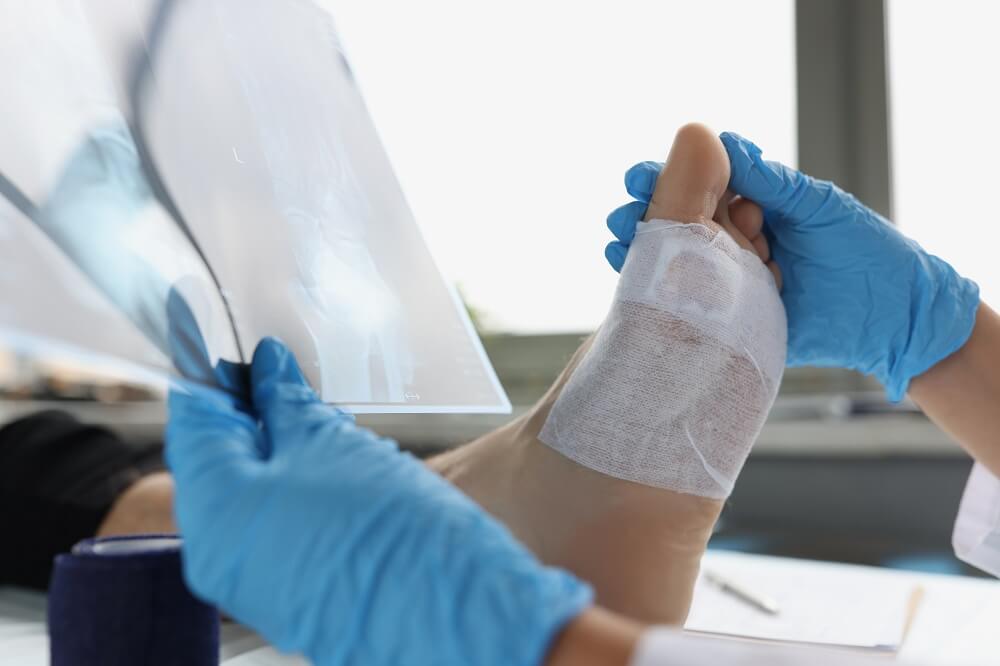
Most minimally invasive procedures are performed in an outpatient setting, allowing patients to return home the same day. Surgeons use imaging such as X-rays or CT scans to determine whether this approach is appropriate based on bone structure, deformity severity, and overall health.
Many MIS procedures allow early weight bearing, and in some cases, patients can walk immediately after surgery. Because tissue disruption is minimal, swelling and stiffness are often reduced, and pain is typically manageable with over-the-counter medication. Studies have shown that bunion patients required an average of only two pain pills after surgery, highlighting just how different the recovery experience can be.
Across the board, MIS patients report less stiffness and swelling, and a quicker return to activity compared with traditional open surgery. For people who have postponed surgery due to concerns about pain or downtime, MIS can feel like a game-changer.
A New Era
Foot and ankle surgery has come a long way since the 1980s. Minimally invasive surgery reflects decades of progress in surgical technology and technique, offering a tried-and-true approach that combines precision instruments with better outcomes. For those whose quality of life is limited by foot or ankle pain, these modern methods provide new possibilities for relief and an encouraging path forward.